Justice · Vérité · Réparation

Justice against impunity, dignity for every victim

A Congolese human rights association documenting grave violations, bringing cases before national, regional and international courts, and working toward lasting peace between communities in Eastern DRC.

Who we are

APDHD — Association pour la Promotion des Droits Humains et le Développement — works in the field of the protection of the rights of persons and peoples in the Democratic Republic of Congo.

For decades the DRC has endured cyclical wars and corrupt, personal rule that has left the population exposed to local and foreign armed groups, above all in the East. APDHD exists to change that: by restoring an effective justice system able to punish those responsible and to repair the harm suffered by victims.

Understand the context →
3Levels of jurisdictionNational, regional and international courts and tribunals
5Categories of grave crimesFrom genocide to hate crimes, under international criminal law
5Year action planDetailed strategies and activities for the years ahead
I
Our vision

Impunity systematically eradicated from every sphere of national life in the DRC.

II
Our mission

To support strong judicial institutions capable of fighting impunity and fostering peaceful coexistence between communities.

Objectives

Three commitments to victims

Our general objective: restore an effective justice able to fight impunity, eradicate corruption and the embezzlement of public funds, and end the hate speech that fuels armed conflict.
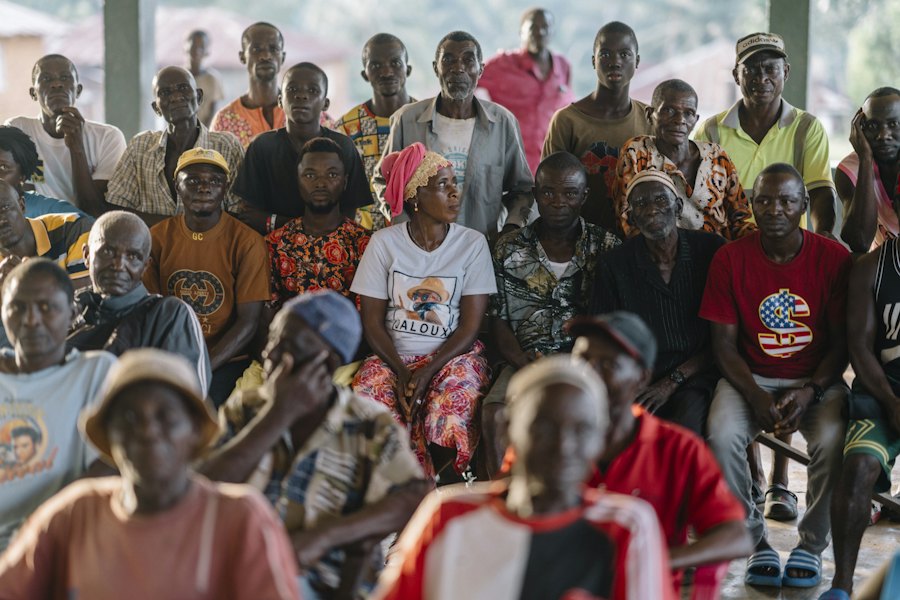
Community testimony session
01 — Document

Document the facts

Reach the populations affected by cyclical wars and armed conflict so they can report what happened.

  • Report grave violations
  • Identify alleged perpetrators and victims
  • Build mechanisms to denounce crimes
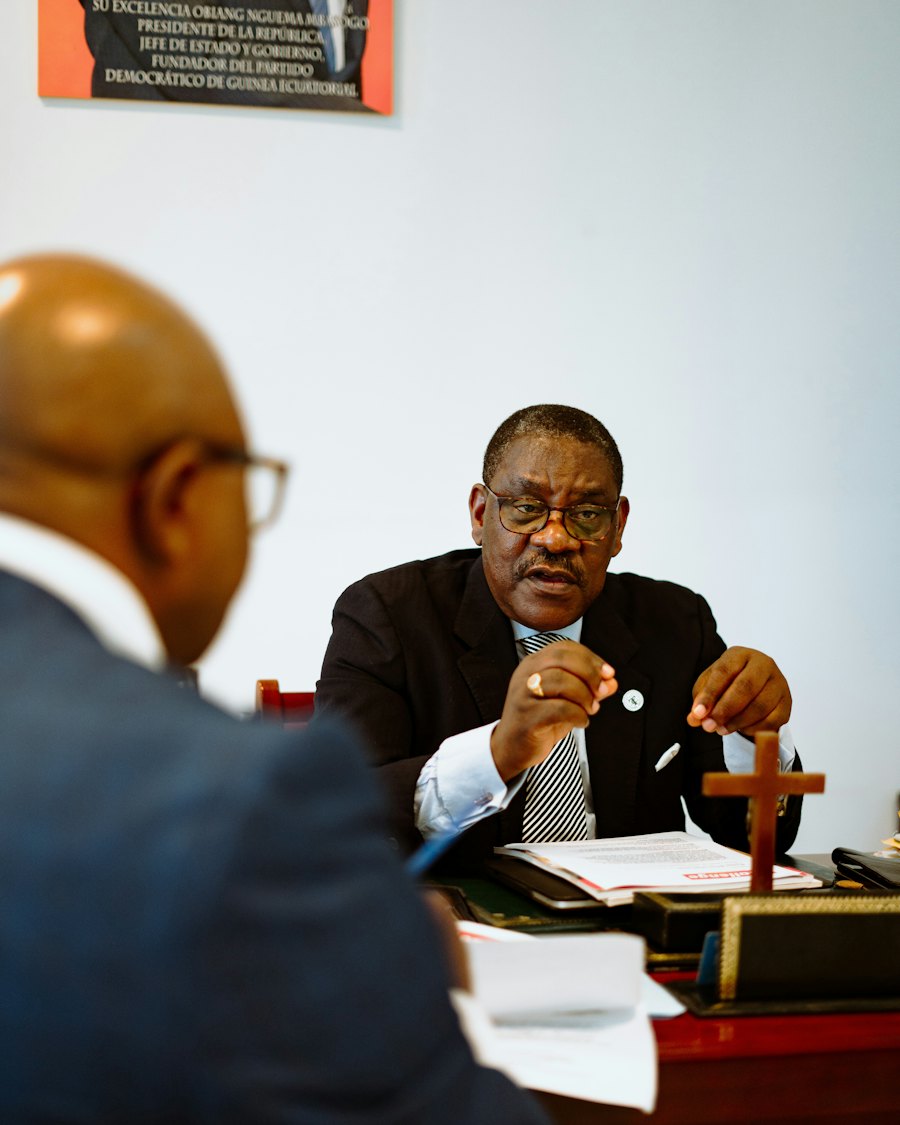
Legal counsel in a meeting
02 — Prosecute

Bring cases to justice

Refer cases to national, regional and international courts to prosecute alleged perpetrators of grave human rights violations.

  • Initiate judicial proceedings
  • Claim reparation for victims
  • Act at every level of jurisdiction
Community gathering
03 — Advocate

Advocate for victims

Build an effective advocacy system on behalf of crime victims before national, regional and international human rights institutions.

  • Institutional advocacy
  • Access to justice
  • Networks at every level
Areas of intervention

The violations we confront

Acts defined by international criminal law, in breach of the Geneva and Hague Conventions and their protocols, and of the texts that govern international criminal courts.

Genocide

The gravest crime under international law.

Crimes against humanity

Widespread or systematic attacks on civilians.

War crimes

Grave breaches committed during armed conflict.

Arbitrary detention

Unlawful arrests and detentions.

Hate crimes & hate speech

Incitement, discrimination, racism and xenophobia.

Corruption

Illicit practices that undermine institutions.

Embezzlement

Misappropriation of public funds.

Intercommunity conflict

Restoring trust and peaceful coexistence.

Violations in Eastern DRC fall into two categories, according to their perpetrators: those committed by political power, and those committed by local and foreign armed groups — most of them during periods of fighting and armed conflict.

The highlands — Eastern DRC
The situation

A nation of rich diversity, divided for power

Congo is a nation built on a diversity of cultures — in principle a wealth of inestimable value. Instead of honouring it, those in power have chosen to exploit tribal divisions for undeclared interests, in order to hold on to power.

Wars and armed conflicts, exacerbated by hate speech, have gravely damaged good-neighbourly relations. Trust between neighbouring communities has deteriorated to the point where peaceful coexistence has become almost impossible.

The law existsIt is not legal texts that are missing — sanctions already exist for acts that threaten peaceful coexistence.
Enforcement failsA systemic failure to apply the law has allowed crimes, hate speech and embezzlement to go unpunished for decades.
Our conviction
There can be no sincere reconciliation without equitable justice — a justice that sanctions the perpetrators of crimes and grants reparation to their victims.
— APDHD
Our activities

From the field to the courtroom

The main lines of work APDHD develops across its fields of activity.

01

Field consultations

Meeting affected populations on the ground to gather testimony and facts.

→
02

Legal complaints

Drafting and filing complaints before courts and tribunals.

→
03

Public denunciation

Organising press conferences to expose crimes and their perpetrators.

→
04

Advocacy

Pressing national, regional and international institutions to act for victims.

→
05

Capacity building

Training our members and the paralegals deployed in the field.

→
Strategy

Our first steps

A phased approach to turn testimony into evidence, and evidence into justice.

I

Information network

A dynamic network collecting information from within the populations who are victims of grave human rights violations.

II

Databases

Structured records of grave violations, of their victims, and of their perpetrators.

III

Advocacy network

An active network of advocacy for victims' access to justice and the fight against impunity.

The full detail of our strategies and activities is set out in APDHD's five-year action plan.

Request the plan
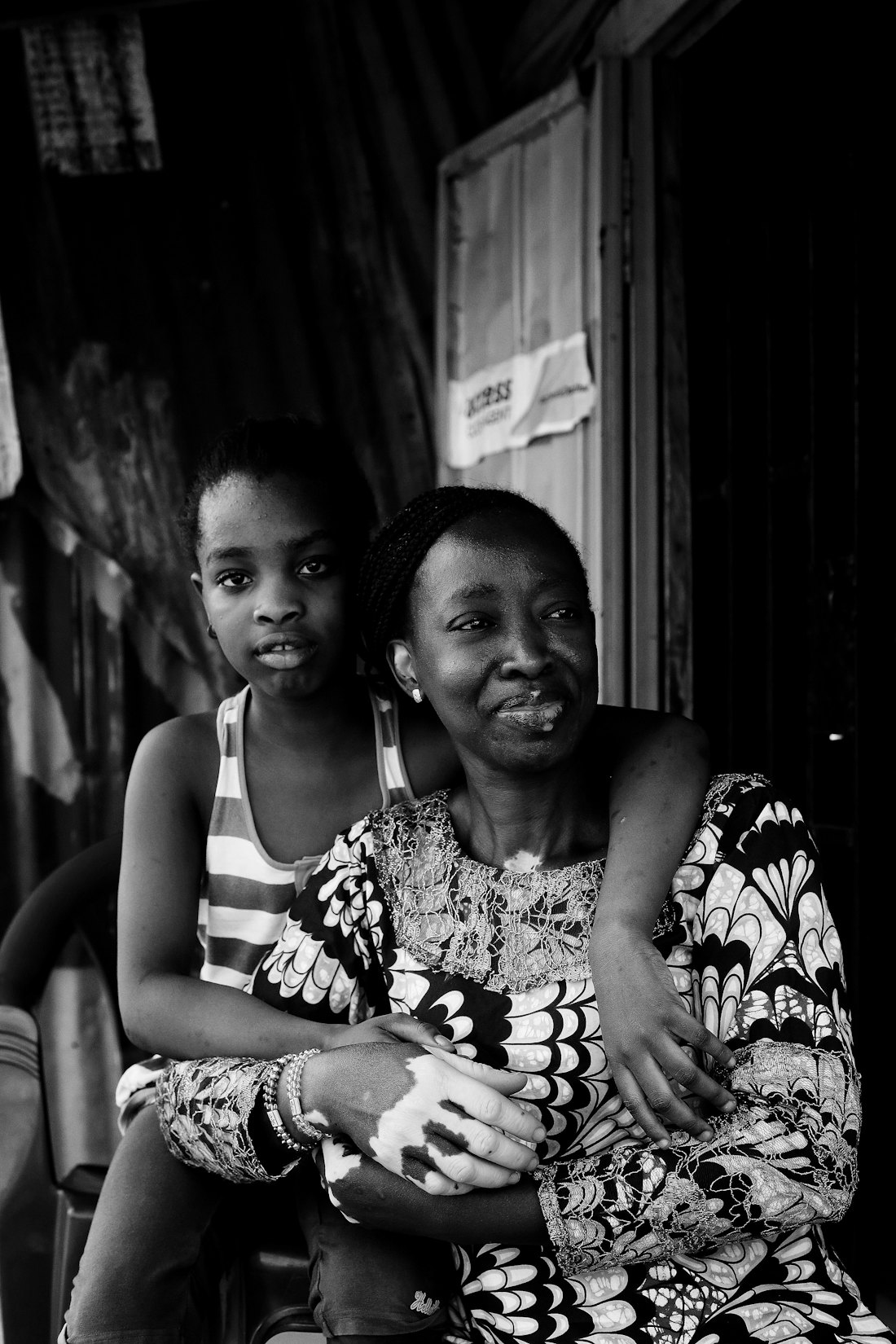
Two women sitting together
Expected results

What success looks like

Documented evidence

Databases of criminal acts, victims and perpetrators of grave human rights violations in the Minembwe highlands.

Impunity eradicated

Impunity and other social anti-values are eliminated.

Networks that act

Broad, varied, dynamic and active networks at national, regional and international levels.

Our principles

What guides our work

Rooted in the field

We work directly with affected communities and deploy paralegals where violations occur.

Grounded in law

Every action rests on Congolese law and international criminal and humanitarian law.

Victims first

Our aim is not only prosecution, but reparation for the harm victims have suffered.

Justice for peace

Equitable justice is the only path to reconciliation and peaceful coexistence.

Ensemble contre l'impunité

Have you witnessed or suffered a grave violation?

Your testimony matters. Contact APDHD in confidence — together we can document the facts and seek justice.

Get in touch →
Contact

Talk to us

Victims, witnesses, partners and institutions are welcome to reach out. Every message is treated with confidentiality.

CoordinatorKamota Bigira Gishinge AmédéeCoordonnateur, APDHD
Emailapdhd2015@gmail.com
Phone / WhatsApp+250 783 335 948Message on WhatsApp →
Area of operationEastern DRCMinembwe highlands, South Kivu
Working languagesFrançais · English

Your email app is opening with your message — just press send. You can also reach us on WhatsApp.